Storm gutters play a critical role in protecting residential and commercial properties from water damage during heavy rainfall. Designed to capture, channel, and redirect rainwater away from a building’s foundation, storm gutters are one of the most essential components of any roofing and exterior drainage system. Without properly functioning gutters, even moderate rainfall can lead to foundation erosion, siding damage, roof deterioration, and costly structural repairs. Understanding how storm gutters work, why they matter, and how to choose the right system is key to preserving the integrity and longevity of any structure.
What Are Storm Gutters and How Do They Work
Storm gutters are engineered drainage systems installed along the edge of a roofline to collect rainwater and direct it safely away from a building. When rain falls on a roof, gravity causes the water to flow toward the eaves. Storm gutters capture this runoff and guide it into downspouts, which then carry the water to a safe discharge area away from the foundation.
The effectiveness of storm gutters depends on several factors, including proper slope, secure fastening, adequate downspout placement, and sufficient capacity to handle high rainfall volumes. During intense storms, particularly those producing heavy downpours within short periods, gutters must accommodate rapid water flow without overflowing. When properly installed and maintained, gutters reduce soil erosion, prevent basement flooding, and protect landscaping from washout damage.
Why Storm Gutters Are Essential for Structural Protection
Water is one of the most destructive forces affecting buildings. Over time, unmanaged rainwater can weaken foundations, create cracks in concrete, and infiltrate basements or crawl spaces. Storm gutters serve as the first line of defense by diverting water away from vulnerable structural components.
In addition to foundation protection, storm gutters help prevent roof damage. When water accumulates along roof edges without proper drainage, it can seep beneath shingles or roofing materials, leading to rot and mold growth. Gutters also protect exterior walls and siding from staining and deterioration caused by repeated water exposure. By managing runoff efficiently, storm gutters preserve both structural integrity and curb appeal.
Materials Used in Modern Storm Gutters
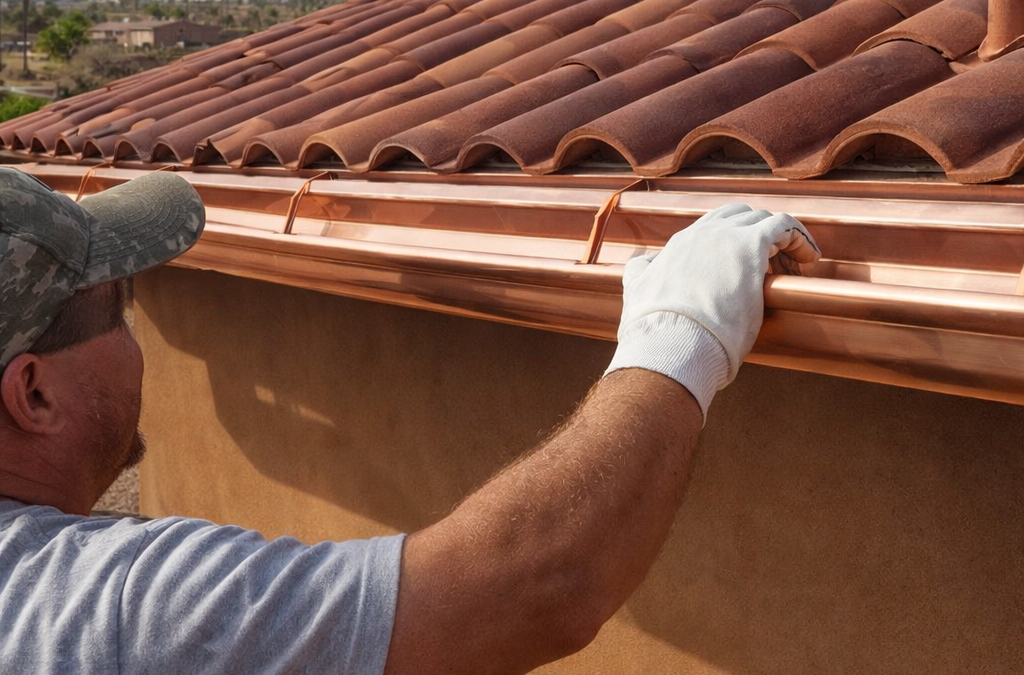
Storm gutters are available in several materials, each offering different levels of durability, cost efficiency, and aesthetic appeal. Aluminum is among the most popular choices due to its lightweight nature, corrosion resistance, and affordability. Steel gutters provide enhanced strength and are suitable for areas with extreme weather conditions, though they may require protective coatings to prevent rust. Copper gutters offer exceptional longevity and a distinctive appearance, often chosen for high-end architectural designs. Vinyl gutters are budget-friendly and resistant to corrosion but may not perform as well in regions with significant temperature fluctuations.
Material selection should align with climate conditions, building design, and long-term maintenance expectations. Investing in high-quality materials ensures gutters perform effectively under heavy rainfall and seasonal changes.
Seamless Storm Gutters and Performance Advantages
Seamless storm gutters have gained popularity due to their improved performance and reduced leakage risk. Unlike sectional gutters that are assembled in pieces, seamless systems are fabricated in continuous lengths customized to fit the structure. Fewer joints mean fewer potential leak points, which enhances durability and reduces maintenance needs.
Seamless storm gutters also offer a cleaner aesthetic, blending smoothly along the roofline without visible seams. For homeowners seeking both performance and visual appeal, seamless systems provide a reliable and modern solution. Their structural integrity allows them to handle large volumes of water during intense storms, minimizing the risk of overflow or joint failure.
The Importance of Proper Installation
Even the highest-quality storm gutters will fail if installed incorrectly. Proper installation requires accurate measurements, correct pitch alignment, secure fastening to fascia boards, and strategic downspout placement. A slight slope ensures that water flows naturally toward downspouts rather than pooling within the gutter channel.
Professional installation minimizes common issues such as sagging, detachment during high winds, and improper drainage. Experts also evaluate roof size, pitch, and regional rainfall patterns to determine appropriate gutter sizing. Oversized gutters may be necessary in areas prone to heavy storms, ensuring sufficient capacity during peak rainfall events.
Maintenance and Longevity of Storm Gutters
Routine maintenance is essential for maximizing the lifespan and performance of storm gutters. Leaves, debris, and sediment can accumulate within the gutter channel, obstructing water flow and causing overflow. Regular cleaning prevents clogs that lead to fascia damage and foundation erosion.
Gutter guards are often installed to reduce debris buildup and minimize cleaning frequency. These protective systems allow water to pass through while blocking leaves and larger particles. Inspections should also include checking for loose fasteners, corrosion, and proper alignment. Well-maintained storm gutters can last decades, providing consistent protection year after year.
Guttering Systems and Water Management Efficiency
Effective water management extends beyond simply diverting rainwater. Storm gutters contribute to sustainable water control strategies by directing runoff into designated drainage areas, rain barrels, or underground systems. This controlled flow prevents soil displacement and supports responsible water usage.
In areas with heavy rainfall or frequent storms, integrated drainage systems may include extended downspouts, splash blocks, or underground piping. These enhancements ensure that water is discharged safely away from foundations and landscaping features. Properly designed gutters form a crucial component of comprehensive exterior water management.
Signs Your Guttering System Need Replacement
Over time, even durable storm gutters can deteriorate due to exposure to the elements. Visible cracks, rust spots, sagging sections, or persistent leaks indicate that repair or replacement may be necessary. Water pooling near the foundation after rainfall is another warning sign of inadequate drainage.
If gutters overflow during moderate rain, they may be undersized or obstructed. Frequent repairs can signal that the system has reached the end of its functional lifespan. Replacing outdated gutters with modern, high-capacity systems improves performance and reduces future maintenance costs.
The Long-Term Value of Investing in Quality Gutters
Storm gutters represent a relatively small investment compared to the cost of structural water damage repairs. Protecting foundations, roofing systems, siding, and landscaping preserves property value and reduces long-term maintenance expenses. A well-designed gutter system also enhances curb appeal, contributing to a finished and well-maintained exterior appearance.
By selecting durable materials, ensuring professional installation, and committing to routine maintenance, property owners can maximize the performance and lifespan of their gutters. The benefits extend beyond immediate protection, offering peace of mind during heavy rainfall and severe weather events.
Storm gutters are not simply accessories; they are essential infrastructure components that safeguard buildings from the damaging effects of water. With proper design, installation, and care, gutters deliver reliable protection, structural stability, and long-term performance. Investing in a high-quality storm gutter system ensures that your property remains secure, functional, and resilient through every storm season.